
Call: 08045475549
 Send Inquiry
 Send Inquiry
SODIUM CARBBOXYMETHYL CELLULOSE
Price 350.0 INR/ Kilograms
MOQ : 25 Kilograms
SODIUM CARBBOXYMETHYL CELLULOSE Specification
- Water Solubility
- Yes
- Physical Form
- Powder
- Taste
- Odorless
- Shelf Life
- 2 Years
- Type
- Other
- Color
- Pure white
- Purity
- 99%
- Storage
- Room Temperature
SODIUM CARBBOXYMETHYL CELLULOSE Trade Information
- Minimum Order Quantity
- 25 Kilograms
- FOB Port
- NAVA SHEVA
- Supply Ability
- 10000 Kilograms Per Week
- Delivery Time
- 5 Days
- Sample Policy
- Within a certain price range free samples are available
- Packaging Details
- 25 KG PAPER BAG WITH PP LINER OVER IT.
- Main Domestic Market
- All India, South India, Central India, West India, North India, East India, Gujarat, Karnataka, Kerala, Lakshadweep, Mizoram, Meghalaya, Manipur, Andhra Pradesh, Bihar, Chandigarh, Daman and Diu, Goa, Jharkhand, Odisha, Punjab, Assam, Delhi, Dadra and Nagar Haveli, Andaman and Nicobar Islands, Arunachal Pradesh, Chhattisgarh, Haryana, Himachal Pradesh, Jammu and Kashmir, Madhya Pradesh, Maharashtra, Nagaland, Rajasthan, Sikkim, Tamil Nadu, Telangana, Tripura, Pondicherry, Uttar Pradesh, Uttarakhand, West Bengal
About SODIUM CARBBOXYMETHYL CELLULOSE
Sodium Carboxymethyl Cellulose (CMC) is a water-soluble derivative of cellulose, a natural polymer derived from plant cell walls. It is commonly used as a thickening, binding, and stabilizing agent in a variety of industries, including food, pharmaceuticals, cosmetics, and even in the oil industry.
Key Characteristics:
-
Chemical Structure: CMC is produced by reacting cellulose with chloroacetic acid, which introduces carboxymethyl groups (-CH2COOH) into the cellulose structure. This modification makes CMC highly soluble in water and gives it its characteristic thickening properties.
-
Appearance: It typically appears as a white, odorless, or nearly odorless powder or granular substance.
-
Solubility: Sodium Carboxymethyl Cellulose is highly soluble in cold and hot water. The degree of solubility depends on the degree of substitution (the number of carboxymethyl groups attached to the cellulose).
-
Viscosity: The viscosity of CMC solutions varies with the concentration and molecular weight of the cellulose used, making it adaptable to different applications.
Common Uses:
-
Food Industry:
-
Thickening Agent: Its widely used in processed foods like ice cream, sauces, soups, and dressings to improve texture and prevent separation.
-
Stabilizer: In products like salad dressings, it helps stabilize emulsions and maintain uniformity.
-
-
Pharmaceutical Industry:
-
Tablet Binder: CMC is used as a binder in tablet formulations and as a stabilizing agent in suspensions.
-
Controlled Release: It is also employed in controlled-release drug formulations to modify the release rate of the active pharmaceutical ingredients.
-
-
Cosmetic and Personal Care:
-
Viscosity Modifier: In lotions, shampoos, toothpaste, and creams, CMC helps thicken products and improve their texture.
-
Emulsifier: Used to stabilize emulsions, preventing the separation of oil and water phases in products like skin creams.
-
-
Oil and Gas Industry:
-
Drilling Fluids: Sodium CMC is added to drilling fluids to increase viscosity and prevent fluid loss.
-
-
Textile Industry:
-
Printing and Dyeing: It is used as a thickening agent in printing pastes for textile dyes.
-
-
Paper Industry:
-
Coating and Surface Sizing: CMC is sometimes used to modify the surface properties of paper, providing smoothness and printability.
-
Advantages:
-
Biodegradable: Being derived from natural cellulose, it is environmentally friendly.
-
Non-toxic: Generally recognized as safe (GRAS) by regulatory agencies when used in food products.
-
Customizable Properties: Its viscosity and solubility can be controlled by adjusting the degree of substitution.
Limitations:
-
Temperature Sensitivity: CMC can lose some of its effectiveness at very high temperatures.
-
Stability: The stability of CMC in formulations can be affected by pH levels or the presence of salts in the solution.
Versatile Industrial Applications
Sodium Carboxymethyl Cellulose serves as a key ingredient in various industries, including food processing, pharmaceuticals, textiles, and personal care. Its thickening, stabilizing, and binding properties make it invaluable for improving product consistency, texture, and overall quality. The powders solubility in water ensures seamless incorporation into diverse formulations, supporting both small-scale and large-scale manufacturing processes.
Exceptional Shelf Stability and Handling
With a shelf life of two years when stored at room temperature, Sodium Carboxymethyl Cellulose offers impressive longevity. Its pure white, powdery physical form allows for straightforward handling, storage, and transportation. The products high purity and consistent quality, as ensured by Chinese manufacturers and suppliers, guarantee reliable performance in a range of end uses.
FAQs of SODIUM CARBBOXYMETHYL CELLULOSE:
Q: How should Sodium Carboxymethyl Cellulose be stored for optimal shelf life?
A: Sodium Carboxymethyl Cellulose should be stored in a cool, dry place at room temperature, away from moisture and direct sunlight. Proper storage will help maintain its 2-year shelf life and preserve its purity and performance.Q: What is Sodium Carboxymethyl Cellulose used for in industrial applications?
A: Sodium Carboxymethyl Cellulose is widely used for its thickening, stabilizing, and binding properties. It enhances texture in food products, acts as a binder in pharmaceuticals, and improves consistency in textile and personal care formulations.Q: When is the best time to add CMC powder during the manufacturing process?
A: It is generally best to add Sodium Carboxymethyl Cellulose powder during the blending or mixing stages, ensuring it is evenly dispersed in water or other solvents for optimal effect. Its water solubility facilitates easy incorporation without clumping.Q: Where is your Sodium Carboxymethyl Cellulose manufactured and supplied from?
A: Our Sodium Carboxymethyl Cellulose is manufactured, supplied, and traded from China, ensuring high standards of quality and consistency for customers worldwide.Q: What benefits does Sodium Carboxymethyl Cellulose offer compared to other thickeners?
A: Sodium Carboxymethyl Cellulose offers benefits such as high purity (99%), neutral taste and odor, excellent water solubility, and stability at room temperature, making it superior for formulations that require consistency without affecting flavor or scent.Q: How is the purity of 99% achieved in Sodium Carboxymethyl Cellulose production?
A: The 99% purity is achieved through advanced manufacturing processes and stringent quality control measures by trusted Chinese manufacturers, ensuring the final product meets strict industry standards.Q: Can Sodium Carboxymethyl Cellulose be used in taste-sensitive applications?
A: Yes, with its odorless and neutral-tasting profile, Sodium Carboxymethyl Cellulose is ideal for applications where maintaining original flavor and sensory characteristics is essential.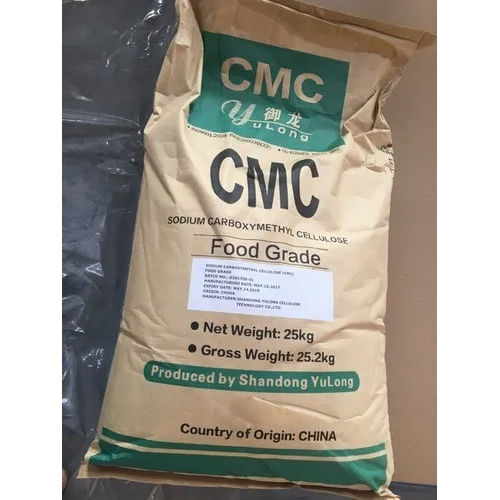
Tell us about your requirement

Price:
Quantity
Select Unit
- 50
- 100
- 200
- 250
- 500
- 1000+
Additional detail
Mobile number
Email

More Products in Food Additives Category
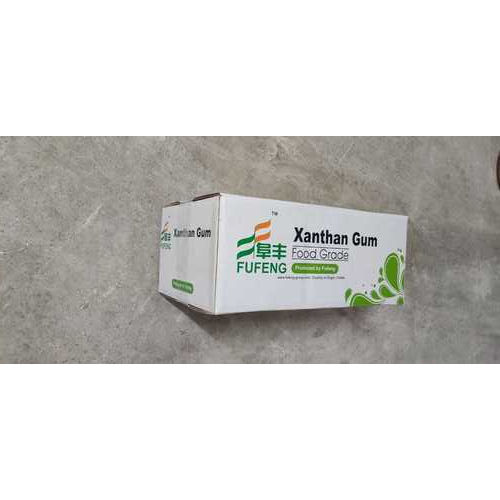
Xanthan Gum
Price 220.0 INR / Kilograms
Minimum Order Quantity : 25 Kilograms
Taste : Odorless
Shelf Life : 2 Years
Storage : Room Temperature
Physical Form : Powder
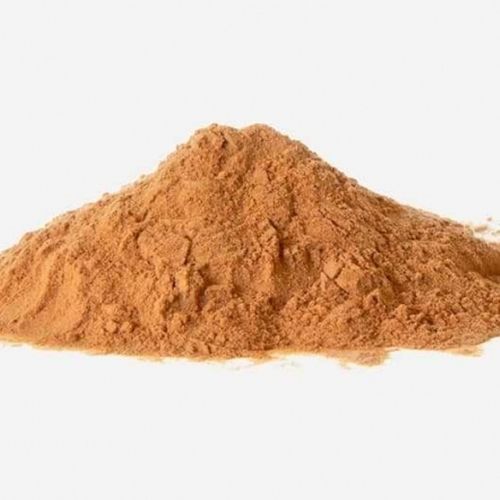
Soya Powder
Price 300 INR / Kilograms
Minimum Order Quantity : 25 Kilograms
Taste : Other
Shelf Life : 12 Months
Storage : Room Temperature
Physical Form : Powder
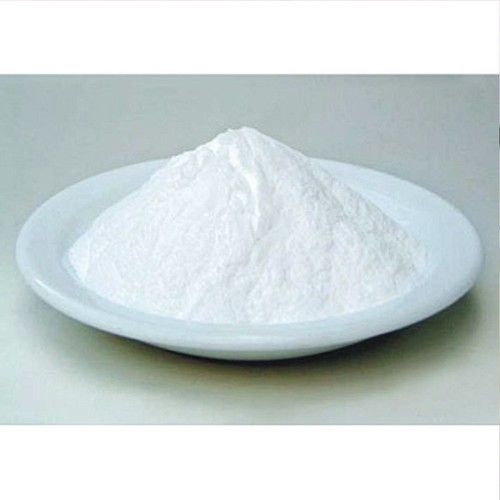
DISODIUM 5'- INOSINATE(50%) & DISODIUM 5' - GUANLATE(50%)
Price 1050 INR / Kilograms
Minimum Order Quantity : 10 Kilograms
Taste : Odorless
Shelf Life : 24 Months
Storage : Room Temperature
Physical Form : Powder

Contact Details
RAISA CORPORATION
GST : 27AOHPK5717P1ZC
- Shop 5, Sahakar Building, Datta Mandir Road, Next to Sangeeta Cineplex, Malad East,Mumbai - 400097, Maharashtra, India
- Phone :08045475549
 Send Inquiry
Developed and Managed by Infocom Network Private Limited.
